Roof Ventilation Solutions for Older Homes
Roof ventilation solutions for older homes help improve airflow and reduce moisture issues, with local contractors ready to provide expert installation and advice.
Homeowners with older properties often face unique challenges when it comes to maintaining a comfortable and well-ventilated attic space. Proper roof ventilation solutions can help prevent issues like excess heat buildup, moisture accumulation, and potential damage to roofing materials. If these concerns resonate, it’s a sign that exploring options with experienced local contractors could be beneficial. These professionals understand the specific needs of older homes and can recommend ventilation systems that improve airflow, protect the structure, and enhance overall energy efficiency.
Exploring roof ventilation solutions for older homes is a practical step toward safeguarding the longevity of the property. Local service providers can assess existing roof structures and suggest effective methods to optimize airflow. Whether it’s installing new vents or upgrading existing systems, these experts bring the knowledge needed to improve attic health without unnecessary disruption. Keep reading to learn more about how local contractors can help address ventilation needs tailored to the age and design of your home.
- Roof ventilation services are essential for older homes experiencing attic moisture buildup, with local contractors assessing existing systems and installing appropriate solutions.
- When older homes develop roof leaks or signs of mold, service providers can evaluate and enhance attic airflow to improve ventilation.
- For homes with outdated or insufficient ventilation, local pros can recommend and install modern roof vents to promote better air circulation.
- Older homes facing uneven roof temperatures or ice dam formation can benefit from professional roof ventilation upgrades handled by local specialists.
- In cases where attic insulation is compromised, service providers often include ventilation improvements to help maintain proper attic conditions.
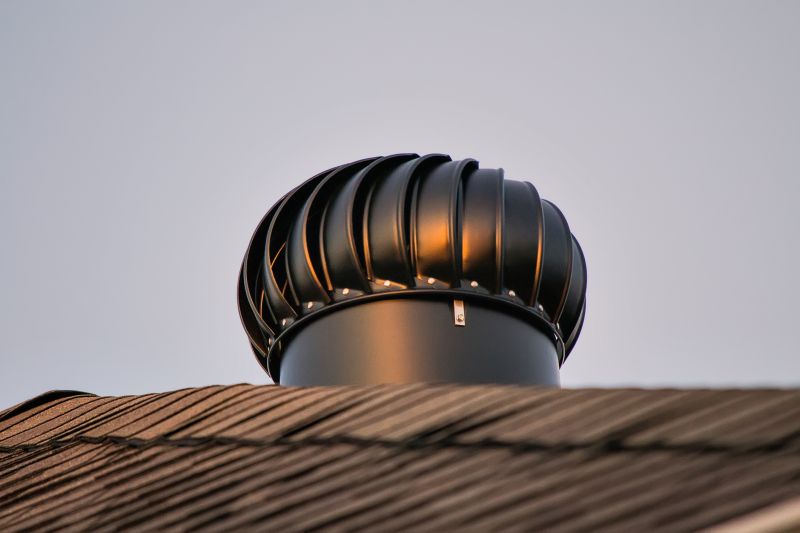
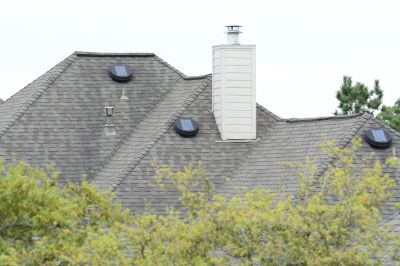
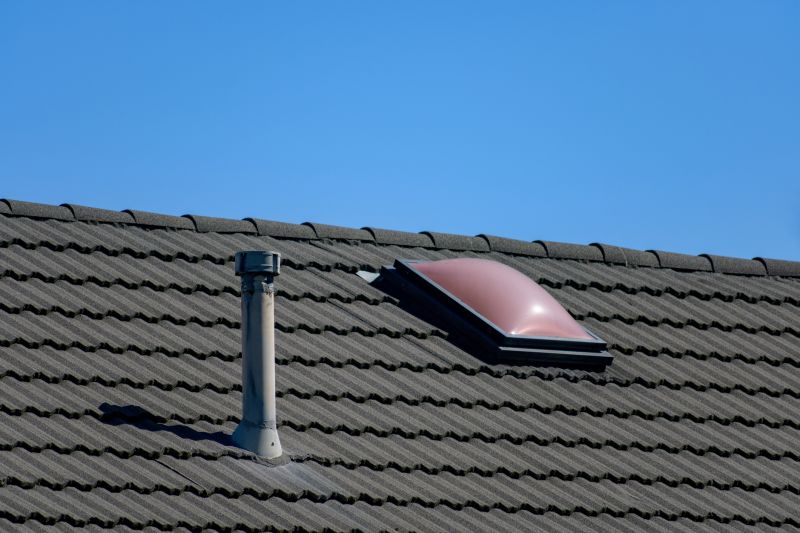
When homeowners search for roof ventilation solutions for older homes, they are typically exploring ways to improve airflow and reduce issues related to poor attic ventilation. Older properties often have different roofing structures and ventilation systems compared to newer builds, which can lead to specific challenges. Many are concerned about excess heat buildup during warmer months, moisture accumulation that can cause mold or wood rot, and increased energy costs due to inefficient attic cooling. These searches often stem from a desire to preserve the integrity of the home’s roof, prevent damage, and enhance overall comfort, making proper ventilation a key part of maintaining an older property.
Problems associated with inadequate roof ventilation in older homes are common and can significantly impact the building’s condition. Over time, lack of proper airflow can cause moisture to linger in the attic space, leading to wood deterioration and potential structural issues. Excess heat buildup can also make upper living spaces uncomfortable and increase the workload on cooling systems. Homeowners planning renovations or upgrades often consider installing or improving roof ventilation systems to address these problems. Whether they are replacing aging vents or adding new ones, the goal is to create a balanced airflow that protects the roof and improves energy efficiency.
The types of properties that frequently come up when discussing roof ventilation for older homes tend to be single-family houses built several decades ago. These homes often feature traditional roofing materials like asphalt shingles, wood shakes, or clay tiles, which may not have been designed with modern ventilation standards in mind. Many older homes have attic spaces that are poorly insulated or sealed, further complicating ventilation efforts. In some cases, the roof structure itself may require modifications or upgrades to accommodate new vents or ventilation systems. Homeowners of these properties often seek guidance from local contractors who understand the unique challenges of older roofing systems.
Connecting with local service providers is essential for addressing roof ventilation needs in older homes. These professionals can assess the existing roof structure, identify ventilation deficiencies, and recommend appropriate solutions tailored to the property’s age and design. Common options include installing ridge vents, soffit vents, or attic fans, depending on the specific requirements. Because older homes may have unique features or limitations, it’s important to work with experienced local pros who know how to integrate new ventilation systems seamlessly. Proper installation not only helps solve current issues but also supports the long-term preservation of the roof and attic space, ensuring the home remains comfortable and structurally sound for years to come.
Attic Insulation Installation - Proper attic insulation often requires ventilation solutions to prevent moisture buildup, making this a related skill for local contractors working on older homes.
Roof Repair and Replacement - When replacing or repairing roofs, ensuring adequate ventilation is essential, connecting roof repair services with ventilation system upgrades for older homes.
Gutter and Vent Stack Installation - Installing or repairing gutters and vent stacks involves planning for proper airflow and moisture control, skills useful in roof ventilation projects for older homes.
Attic Fan and Vent Fan Installation - Adding attic or roof vent fans improves airflow, and local service providers often handle both ventilation upgrades and older home roof systems.
Skylight Installation and Repair - Skylights can impact attic ventilation; contractors experienced in skylight work can assist with integrated ventilation solutions for older homes.
Roof Inspection and Maintenance - Regular inspections help identify ventilation issues in older homes, requiring contractors to plan and implement effective roof ventilation solutions.
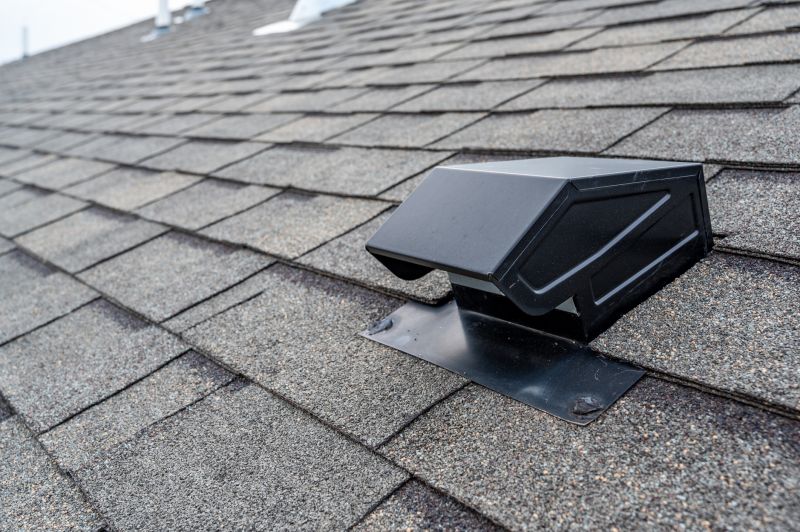
When evaluating service providers for roof ventilation solutions in older homes, it is important to consider their experience with similar projects. Homeowners should seek out local contractors who have a proven track record of working on older roofs, as these projects often present unique challenges related to existing structures and materials. An experienced professional will understand the nuances of older homes and be better equipped to recommend effective ventilation strategies that respect the home's original design while improving airflow and energy efficiency.
Clear, written expectations are essential for ensuring a smooth project process and satisfactory results. Homeowners are encouraged to request detailed descriptions of the proposed ventilation solutions, including the types of vents or fans to be installed, the scope of work, and the anticipated outcomes. Having this information in writing helps prevent misunderstandings, allows for better comparison between different service providers, and ensures everyone is aligned on the goals of the project.
Reputable references and good communication are key indicators of a dependable local contractor. Homeowners should inquire about previous clients with similar older home projects and seek feedback on the contractor’s professionalism, reliability, and ability to communicate effectively throughout the process. Good communication includes prompt responses to questions, clear explanations of options, and transparency about project timelines and procedures. These qualities can help ensure that the installation of roof ventilation solutions for older homes proceeds smoothly and meets expectations.
Property owners often search for roof ventilation solutions for older homes when they are planning practical projects around their homes and businesses. Local pros provide Roof Ventilation services for everyday jobs and straightforward project options.
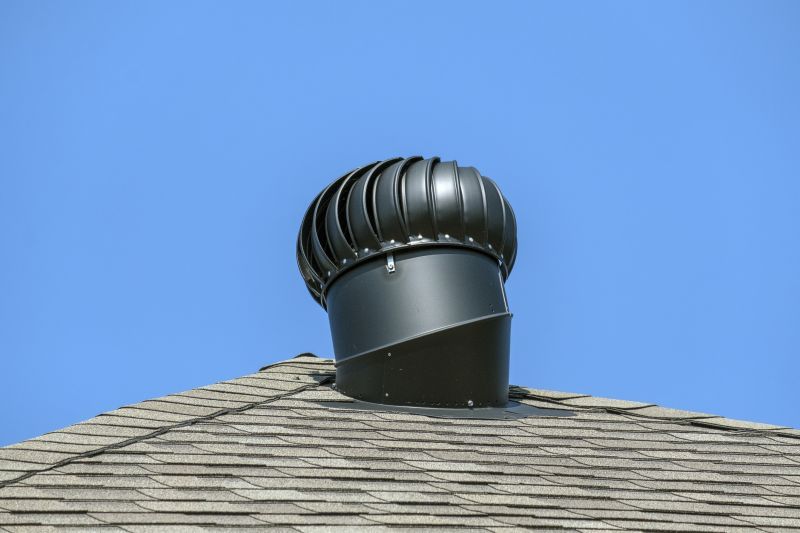
Homeowners with older properties often seek roof ventilation solutions to improve airflow and reduce issues like excess heat, moisture buildup, or mold. These projects are common when inspecting a roof reveals signs of poor ventilation or during routine upgrades to enhance the home's comfort and durability. Property owners in the area might look up this topic to understand how proper ventilation can help preserve their roof structure, prevent costly repairs, or simply create a healthier living environment. Local contractors experienced in roof ventilation can assess existing systems, recommend appropriate upgrades, and install effective solutions tailored to older homes’ unique needs.
Many property owners consider roof ventilation services when they notice signs of inadequate airflow, such as attic heat, condensation, or musty odors. Older homes often have outdated or insufficient ventilation systems that can benefit from professional upgrades. Connecting with local service providers allows homeowners to explore options that improve energy efficiency and prevent damage caused by moisture or heat retention. These local contractors can guide property owners through the process, ensuring the ventilation system supports the home's age and architecture while helping maintain its overall condition.
Why are proper roof ventilation solutions important for older homes? Proper roof ventilation helps prevent moisture buildup, reduces mold risk, and can improve energy efficiency in older homes, making them more comfortable and preserving their structure.
What types of roof ventilation options are suitable for older homes? Common options include soffit vents, ridge vents, attic fans, and gable vents. Local contractors can assess the home's structure to recommend the most effective solutions.
Can existing roof structures in older homes accommodate new ventilation systems? Many older homes can be retrofitted with modern ventilation solutions. A local service provider can evaluate the roof and suggest modifications if needed.
How do local pros determine the best ventilation system for an older home? They consider factors like attic size, roof design, existing ventilation, and climate conditions to recommend the most suitable and effective options.
Are there specific challenges when installing roof ventilation in older homes? Yes, challenges may include structural limitations, outdated roofing materials, or limited access. Experienced local contractors can address these issues during installation.
Assessing attic ventilation needs - property owners can have local contractors evaluate their older home's attic to identify ventilation gaps and recommend suitable solutions.
Installing ridge vents or soffit vents - homeowners can work with local service providers to add or upgrade vents that promote better air circulation in older roof structures.
Adding attic fans or vent fans - property owners might consider installing powered or passive attic fans to improve airflow and reduce heat buildup in older homes.
Sealing and insulating for ventilation efficiency - local pros can help seal leaks and improve insulation to optimize existing roof ventilation systems in older properties.
If you are thinking about roof ventilation solutions for older homes for a property, this guide is meant to help you understand this topic, the typical project types, and how different options might fit your plans.
When you are ready, you can use the quote form on this page to share a few details about your project. From there, local pros can review the basics and follow up with options that match what you have in mind.