Get Rubber Roof Repair
Rubber roof repair services help property owners fix leaks, tears, and damage on flat or rubber roofs through trusted local contractors.
If your property has a rubber roof that shows signs of wear or damage, exploring repair options is a practical step toward maintaining its integrity. Rubber roofing is known for durability and flexibility, but over time, issues such as tears, cracks, or leaks can develop, potentially leading to more extensive damage if left unaddressed. Property owners in the area seeking reliable repair services can find local contractors experienced in handling rubber roof repairs, helping to extend the lifespan of their roofing system and protect their investment.
Planning a roofing project involves comparing local service providers to find the right fit for your needs. Whether dealing with minor repairs or more extensive work, connecting with experienced contractors in the area can ensure the job is done properly. Keep reading to learn more about the options available and how to find qualified local pros who can assist with rubber roof repair projects.
- Rubber roof patching - needed when leaks or tears develop on an existing rubber roof.
- Rubber roof installation - required for new construction or replacing an old, worn roof.
- Rubber roof maintenance - essential for extending the lifespan of a rubber roofing system.
- Rubber roof sealing - necessary to prevent water intrusion at seams and flashing points.
- Rubber roof inspection - recommended to identify potential issues before they lead to costly repairs.
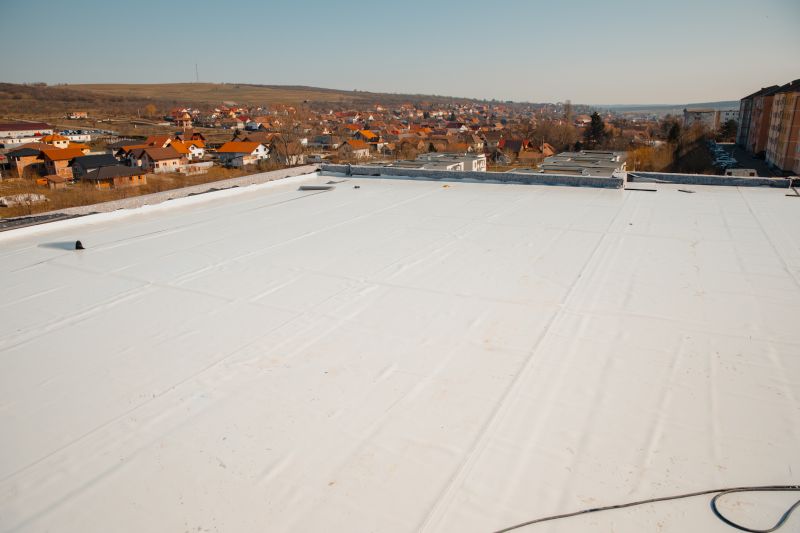
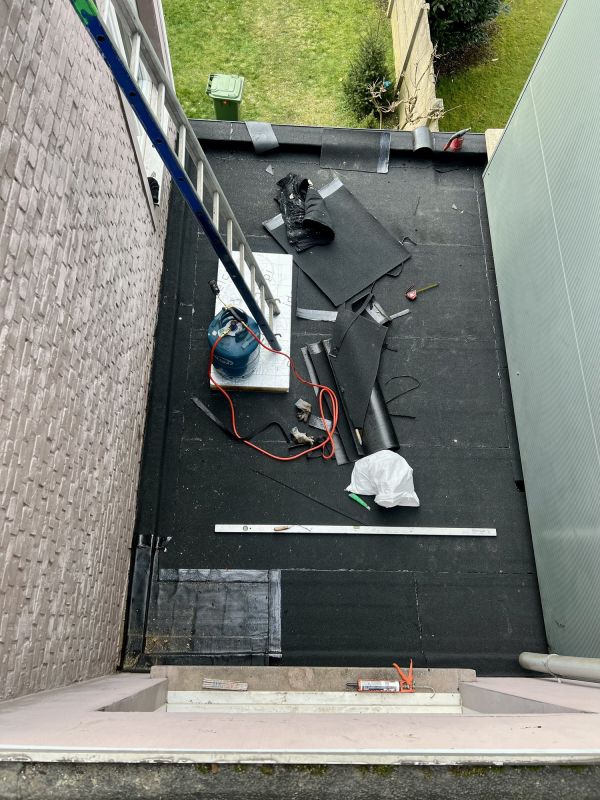
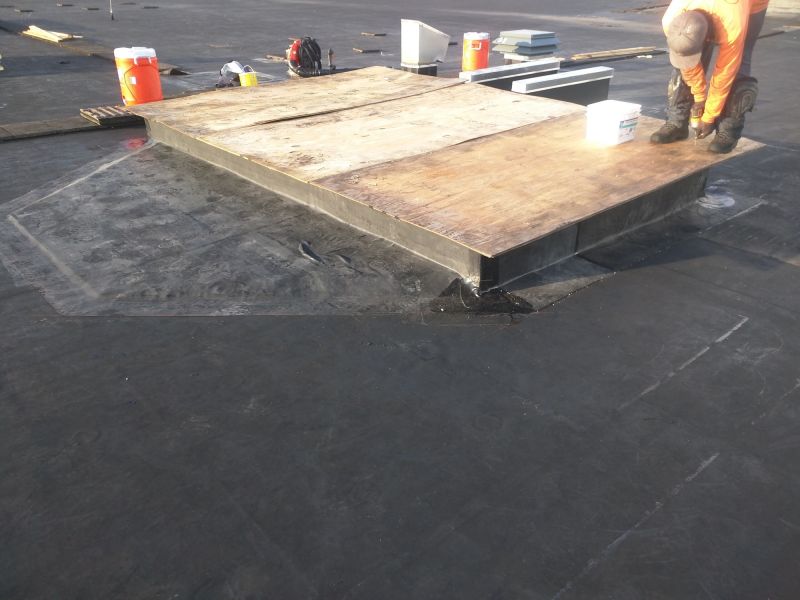
Rubber roof repair services focus on maintaining and restoring the integrity of rubber roofing systems, which are commonly used on flat or low-slope roofs. These services typically involve inspecting the roof surface for damage, cleaning the area, and applying specialized patches or sealants to address issues such as tears, punctures, or cracks. Skilled contractors use proven techniques to ensure that the repairs are durable and help extend the lifespan of the roof, preventing further damage and costly replacements down the line.
Rubber roofs can develop a variety of problems over time, often due to exposure to the elements. Common issues include blistering, shrinking, cracking, or the formation of leaks. These problems can compromise the waterproofing ability of the roof, leading to water intrusion that can damage interior spaces and belongings. Rubber roof repair services are designed to identify and fix these vulnerabilities early, helping property owners avoid more extensive repairs or replacements in the future.
The types of properties that typically use rubber roofing include commercial buildings, warehouses, and some residential structures with flat or low-slope roofs. These roofs are valued for their durability, flexibility, and resistance to weathering. Homeowners with flat or low-pitched roofs may also seek rubber roof repair services to address issues before they escalate, especially in cases where the roof has experienced damage from storms, falling debris, or aging materials.
Homeowners and property managers should consider rubber roof repair services when noticing signs of damage such as leaks, bubbling, or visible cracks. Prompt repairs can prevent water from seeping into the building, which can cause mold, structural damage, and interior repairs. Contacting experienced local contractors ensures that repairs are handled efficiently and effectively, helping to maintain the safety and functionality of the property’s roofing system.
The overview below groups typical Rubber Roof Repair projects into broad ranges so you can see how smaller, mid-sized, and larger jobs often compare in your area.
In many markets, a large share of routine jobs stays in the lower and middle ranges, while only a smaller percentage of projects moves into the highest bands when the work is more complex or site conditions are harder than average.
Smaller Repairs - typical costs for minor rubber roof repairs usually range from $250 to $600. Many routine patching or sealing jobs fall within this middle range, depending on the extent of the damage and roof size.
Moderate Repairs - larger repairs such as extensive patching or localized membrane replacements often cost between $600 and $1,500. These projects are common for roofs with multiple damaged areas needing attention.
Full Roof Replacement - replacing an entire rubber roof can typically cost from $5,000 to $12,000 or more, depending on the roof size and complexity. Larger, more complex projects tend to push into the higher end of this range.
Complex or Custom Projects - very large or intricate rubber roof repairs and replacements can exceed $12,000, though such projects are less common. Local contractors can provide estimates based on the specific scope of work.
Actual totals will depend on details like access to the work area, the scope of the project, and the materials selected, so use these as general starting points rather than exact figures.
Flat Roof Replacement - this project involves installing new flat roofing systems, requiring similar planning and materials as rubber roof repairs.
Commercial Roofing Repairs - service providers handle repairs on various commercial roofs, often utilizing similar tools and techniques used in rubber roof maintenance.
Roof Leak Detection and Repair - identifying and fixing leaks in different roofing types involves skills applicable to rubber roof patching and sealing.
Membrane Roofing Installation - installing membrane roofing systems shares methods and materials with rubber roofing, making it a related project.
Emergency Roof Repair - addressing urgent roofing issues requires quick assessment and repair skills similar to those used in rubber roof restoration.
Roof Coating Applications - applying protective coatings to extend roof lifespan involves surface preparation and sealing techniques common to rubber roofing projects.
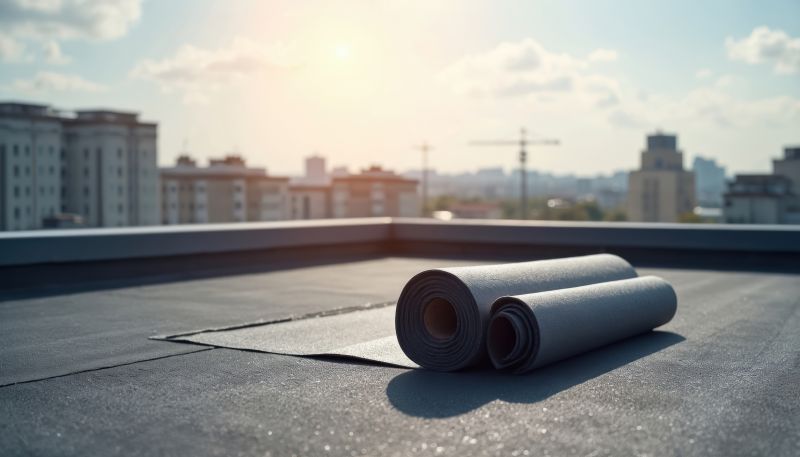
When comparing service providers for rubber roof repair, it’s important to consider their experience with similar projects. Homeowners should look for local contractors who have a proven track record of handling rubber roofing repairs or installations comparable to the scope of their own project. Asking for examples of past work or verifying how long a contractor has been working with rubber roofing can provide insight into their familiarity with the specific materials and techniques involved, helping to ensure the job is performed effectively and efficiently.
Clear written expectations are essential when evaluating potential service providers. Homeowners should seek detailed descriptions of the services offered, including the scope of work, materials used, and any warranties or guarantees provided. Having this information in writing helps prevent misunderstandings and ensures that both parties are aligned on what the project entails. Reputable local contractors are typically transparent about their processes and can provide thorough explanations, which can be a sign of professionalism and reliability.
Good communication and reputable references are key factors in choosing a dependable service provider. Homeowners should inquire about how easily a contractor communicates and whether they are responsive to questions or concerns. Additionally, requesting references or reviews from previous clients can offer valuable insights into the contractor’s reliability, quality of work, and professionalism. It’s important to remember that this site introduces homeowners to local pros who can handle the work, rather than performing the services itself, making it a useful starting point for finding qualified and trustworthy local contractors.
Property owners use Rubber Roof Repair services for practical projects around their homes and businesses. This guide focuses on everyday jobs and straightforward project options.
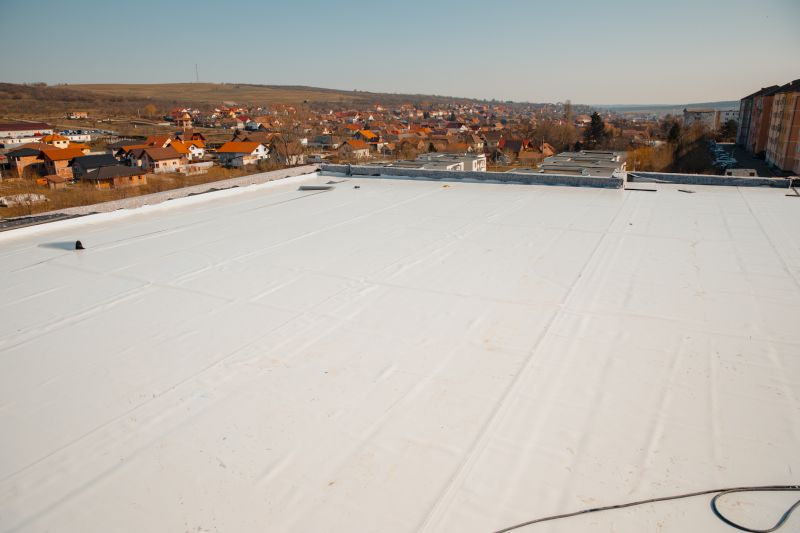
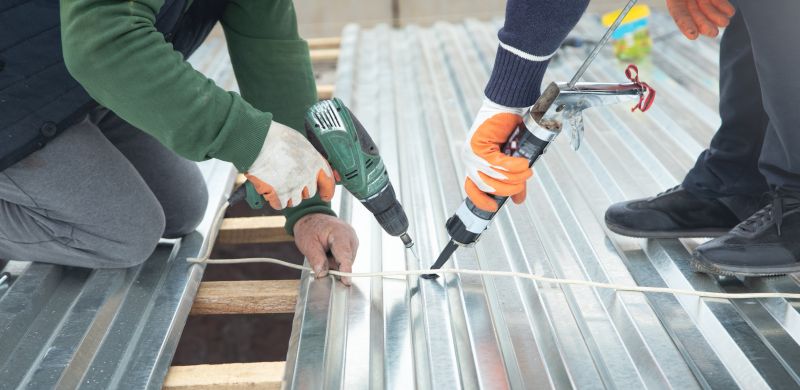
Rubber roof repair services are often needed when property owners notice leaks, pooling water, or visible damage on their roofs. These issues can arise from severe weather, aging materials, or improper installation, prompting residents and business owners to seek professional repairs to protect their buildings. Local contractors experienced in rubber roofing can assess the damage, identify underlying problems, and provide solutions to restore the roof’s integrity and prevent further issues.
In addition to damage caused by storms or wear and tear, property owners may look for rubber roof repair when experiencing increased energy costs or drafts, which can indicate compromised insulation or leaks. Routine maintenance or timely repairs can help extend the lifespan of a rubber roof, making it a common reason for property owners to connect with local service providers who specialize in this type of work. These professionals can handle a variety of repair needs to keep roofs functional and weather-resistant.
What signs indicate that a rubber roof needs repair? Common signs include visible cracks, blistering, pooling water, or membrane separation, which suggest the roof may be compromised and require professional assessment.
Can rubber roof repairs be handled without replacing the entire roof? Yes, many issues such as small tears, cracks, or leaks can often be repaired by local contractors without the need for complete replacement.
What types of repairs do local service providers typically offer for rubber roofs? They can address leaks, tears, seam separations, and surface damage through patching, sealing, or membrane reinforcement techniques.
Are there preventative maintenance services available for rubber roofs? Yes, some local contractors offer inspections, sealing, and minor repairs to help extend the lifespan of rubber roofing systems.
How can I find qualified local contractors for rubber roof repair? Use a reputable lead generation service to compare and connect with local service providers experienced in rubber roof repairs in the area.
Preventative Maintenance - Regular inspections and minor repairs can help property owners maintain the integrity of their rubber roofs and prevent costly damage.
Leak Repairs - When leaks occur after storms or heavy rain, service providers can quickly identify and fix the problem to protect interior spaces.
Resurfacing and Coating - Applying protective coatings can extend the lifespan of a rubber roof and improve its resistance to weathering and UV damage.
Patch and Seal Solutions - Small tears or punctures can be sealed by local contractors to keep the roof watertight and functional.
If you are thinking about Rubber Roof Repair for a property, this guide is meant to help you understand the work, the typical project types, and how different options might fit your plans.
When you are ready, you can use the quote form on this page to share a few details about your project. From there, local pros can review the basics and respond with options that match what you have in mind.