Get Flat Roof Installation
Flat roof installation services help property owners address leaks, drainage issues, and structural concerns through new or replacement flat roof projects handled by local contractors.
If you’re considering flat roof installation for your property, you’ve come to the right place. Property owners in the area often explore this work to improve their building’s durability, enhance energy efficiency, or accommodate specific design needs. Whether planning a new construction project or upgrading an existing roof, understanding your options and comparing local contractors can help ensure the best fit for your property’s requirements.
Exploring flat roof installation services involves evaluating local service providers who specialize in this type of work. With a variety of local contractors available, property owners can assess different approaches, materials, and expertise to find the right match for their project. Continuing to read can help you gather the information needed to make informed decisions and connect with trusted professionals in your area.
- Flat Roof Replacement - needed when existing roofing has significant damage or aging that cannot be repaired effectively.
- Flat Roof Repair - required when leaks, ponding, or surface deterioration are affecting a flat roof’s performance.
- Flat Roof Inspection - essential for identifying potential issues before they develop into costly problems.
- Flat Roof Waterproofing - recommended to enhance the roof’s resistance to water infiltration and extend its lifespan.
- Flat Roof Maintenance - advised for keeping flat roofs in good condition and preventing future damage.
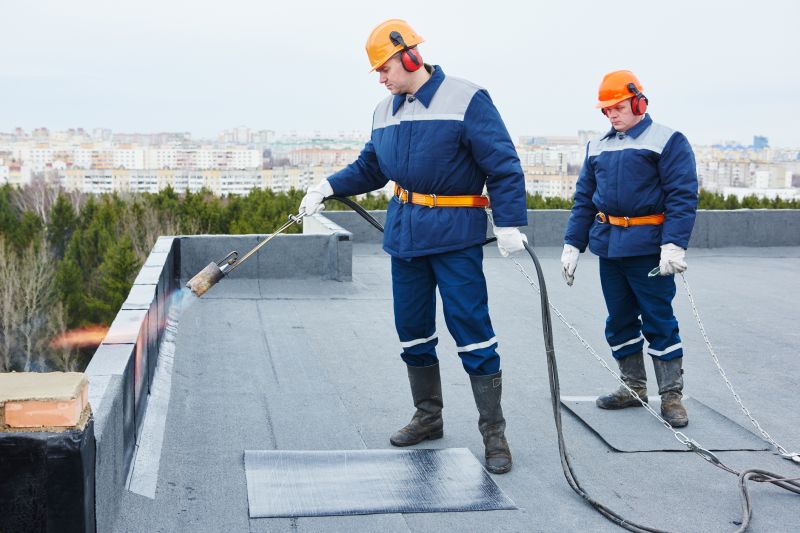
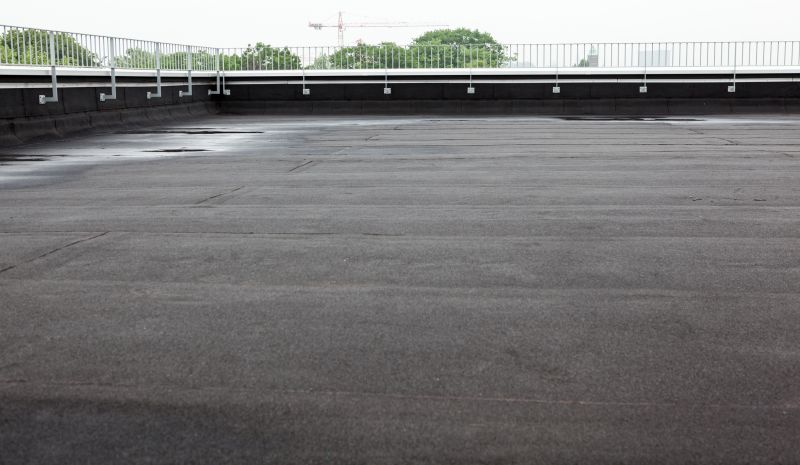
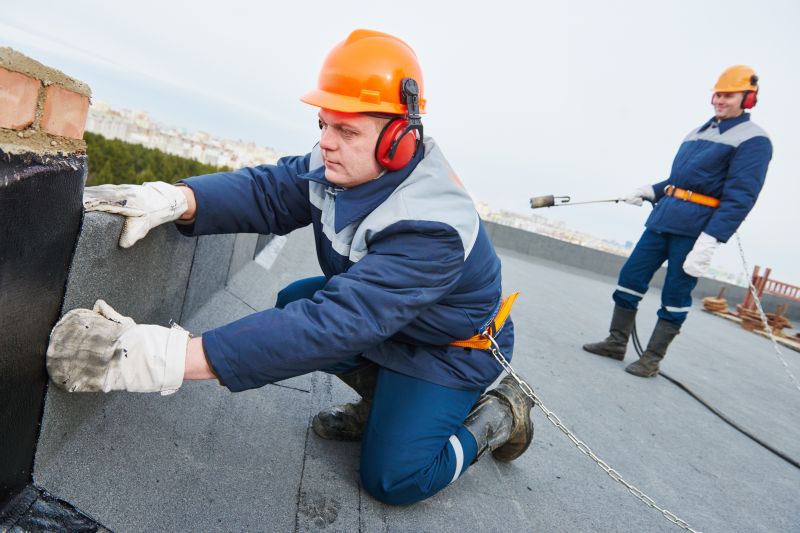
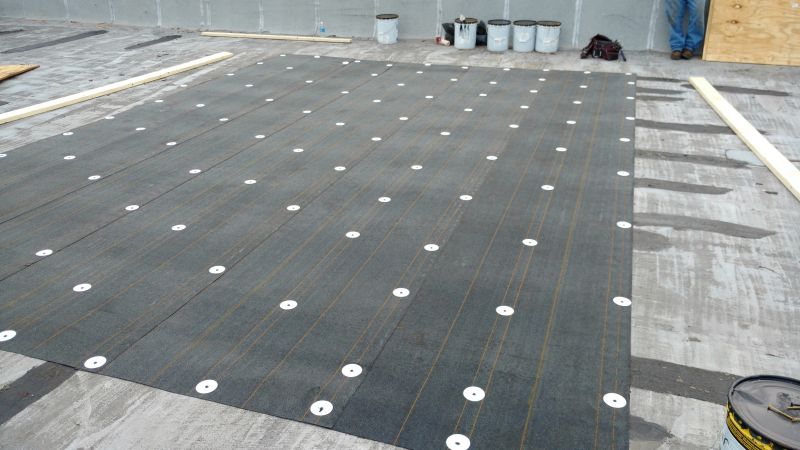
Flat roof installation services involve the construction of a level, horizontal roof surface typically used on commercial buildings, garages, sheds, and some modern residential homes. The process includes preparing the roof deck, applying durable waterproofing layers, and installing the necessary insulation and finishing materials. Skilled service providers ensure that the flat roof is properly sealed to prevent water infiltration, which is crucial for maintaining the integrity of the building’s interior and structural stability. Proper installation helps ensure the roof remains functional and weather-tight for many years, providing a solid foundation for the property’s topmost layer.
One of the primary reasons homeowners and property owners seek flat roof installation is to address issues related to existing roofing systems. Flat roofs are particularly susceptible to water pooling, leaks, and damage caused by standing water or poor drainage. Installing a new flat roof can help resolve these problems by providing a smooth, even surface designed to facilitate proper runoff. Additionally, a well-installed flat roof can improve energy efficiency by allowing for better insulation options and reducing heat loss. This service is often chosen when replacing an aging or damaged roof that no longer offers adequate protection or when upgrading to a more modern, functional roofing system.
Flat roof installation services are commonly used on a variety of property types, including commercial buildings, warehouses, industrial facilities, and residential structures with flat or low-slope roofs. These roofs are favored in urban environments where maximizing interior space is important, or where architectural design calls for a sleek, minimalist appearance. They are also popular for properties that require rooftop access for HVAC equipment, solar panels, or rooftop gardens. Service providers work with property owners to select the appropriate materials and design features that suit the specific needs of each building, ensuring the new flat roof performs reliably over time.
Homeowners who notice signs of water leaks, roof sagging, or visible damage on their flat roofs may need installation services to replace or upgrade their existing system. Flat roofs can also benefit from a new installation when planning renovations or additions that involve a flat or low-slope design. By contacting local contractors experienced in flat roof installation, property owners can explore options tailored to their building’s requirements. These professionals can help determine the best materials and techniques to ensure the roof provides durable, long-lasting protection against the elements, helping to preserve the value and functionality of the property.
The overview below groups typical Flat Roof Installation projects into broad ranges so you can see how smaller, mid-sized, and larger jobs often compare in your area.
In many markets, a large share of routine jobs stays in the lower and middle ranges, while only a smaller percentage of projects moves into the highest bands when the work is more complex or site conditions are harder than average.
Smaller Repairs - minor fixes like patching leaks or replacing a few shingles typically cost between $250 and $600. Many routine repairs fall within this range, depending on the extent of the damage and materials needed.
Partial Repairs - more extensive repairs such as replacing sections of the flat roof can range from $600 to $2,500. These projects are common for addressing localized issues without a full roof replacement.
Full Replacement - replacing an entire flat roof generally costs between $5,000 and $10,000, though larger or more complex projects can exceed $15,000. Many service providers handle full replacements in this typical range, depending on size and materials.
Large or Complex Projects - extensive installations or custom modifications can reach $20,000 or more. While fewer projects fall into this highest tier, local contractors can provide estimates based on specific project requirements.
Actual totals will depend on details like access to the work area, the scope of the project, and the materials selected, so use these as general starting points rather than exact figures.
Roof Deck Repair - involves similar planning, tools, and techniques for working on flat surfaces and waterproofing systems.
Commercial Roofing Projects - require expertise in flat roofing materials and installation methods comparable to residential flat roof setups.
Membrane Roofing Installation - focuses on the application of waterproof membranes, a key component in flat roof systems handled by local contractors.
Roof Insulation Installation - involves installing insulation layers on flat roofs to improve energy efficiency, requiring similar skills and planning.
Green Roof Systems - entails integrating vegetation with flat roofing structures, involving similar waterproofing and structural considerations.
Shed and Canopy Roofing - includes installing flat or low-slope roofs on small structures, utilizing comparable tools and techniques used in flat roof projects.
When comparing service providers for flat roof installation, it’s important to consider their experience with similar projects. Homeowners should look for local contractors who have a track record of successfully completing flat roof jobs comparable in size and scope. An experienced professional will be more familiar with the specific challenges associated with flat roofing systems and can provide insights into the best materials and techniques for durability and performance. Asking about previous projects or reviewing portfolios can help gauge a contractor’s familiarity with this type of work and ensure they have the practical know-how needed for a quality installation.
Clear, written expectations are essential when evaluating potential service providers. Homeowners should seek detailed proposals that outline the scope of work, materials to be used, and any other relevant project specifics. This documentation helps prevent misunderstandings and provides a basis for comparing bids objectively. Good communication from the start also indicates that the contractor values transparency and is committed to keeping clients informed throughout the project. Establishing these expectations early can lead to a smoother installation process and a final result that aligns with the homeowner’s needs.
Reputable references and positive feedback from previous clients are valuable indicators of a contractor’s reliability and professionalism. Homeowners are encouraged to ask service providers for contact information of recent customers and to inquire about their experiences. Additionally, good communication skills-such as responsiveness, clarity, and willingness to address questions-are signs of a dependable contractor. While the site introduces homeowners to local options, it’s important to remember that selecting the right professional involves assessing their experience, clarity in communication, and references to ensure a successful flat roof installation.
Property owners use Flat Roof Installation services for practical projects around their homes and businesses. This guide focuses on everyday jobs and straightforward project options.
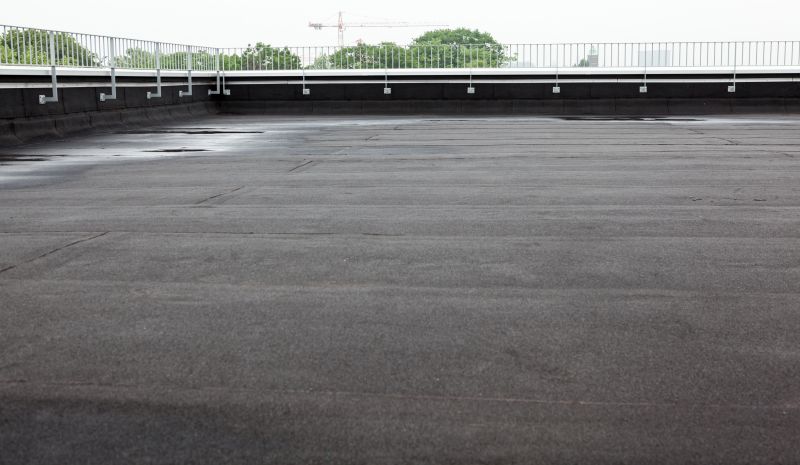
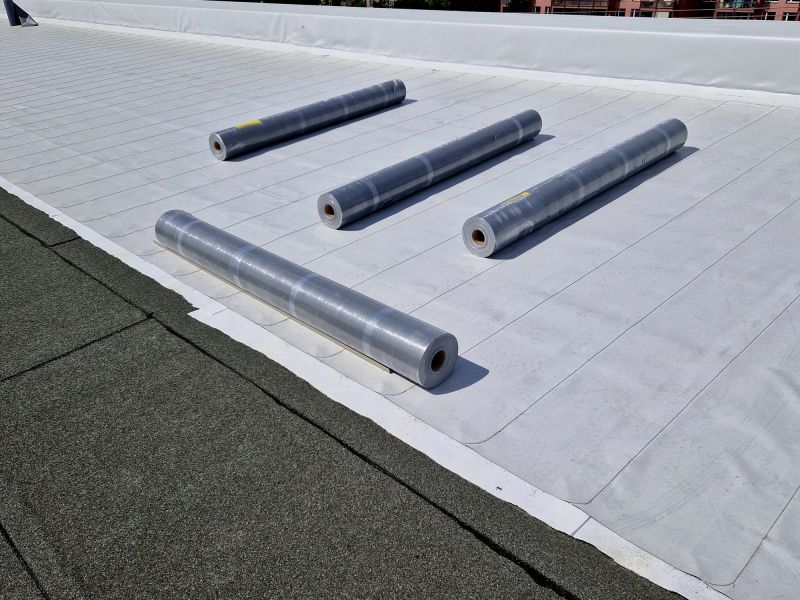
Flat roof installation services are commonly sought after by property owners dealing with aging or damaged roofing systems. Whether a roof has developed leaks, shows signs of wear, or has experienced recent storm damage, local contractors can provide the necessary expertise to replace or install a new flat roof. These projects often arise when building owners want to improve the durability and functionality of their roofs, especially for commercial buildings, warehouses, or extensions that require a flat roofing solution.
Property owners may also look for flat roof installation services when planning renovations or additions to their properties. Upgrading an existing roof or installing a new flat roof can help enhance the property's value and ensure better protection against the elements. Local service providers are equipped to handle a variety of project situations, from straightforward replacements to more complex installations, making it easier for property owners to find the right professional for their specific needs.
What are the benefits of installing a flat roof? Flat roofs can provide additional outdoor space, simplify maintenance, and often allow for easier installation of equipment like HVAC units.
What types of materials are used for flat roof installation? Common materials include built-up roofing (BUR), modified bitumen, and single-ply membranes such as TPO or EPDM, which local contractors can recommend based on your needs.
How long does a flat roof installation typically last? The lifespan of a flat roof depends on the materials used and maintenance, but many can last 15 to 30 years with proper care from experienced service providers.
What should I consider before choosing a flat roof installation service? It's important to evaluate the contractor's experience, the quality of materials they use, and their reputation for reliable workmanship in flat roof projects.
Are there any specific maintenance requirements for flat roofs? Regular inspections for ponding water, debris buildup, and minor repairs can help extend the life of a flat roof, with local service providers offering guidance on upkeep.
Preventing Water Damage - Flat roof installation services can help property owners protect their buildings from leaks and water intrusion during heavy rain or storms.
Upgrading Old Roofs - Homeowners with aging or damaged flat roofs can explore replacement options to improve durability and safety.
Creating Additional Space - Flat roofs can be used as a base for rooftop decks, gardens, or other functional outdoor areas with proper installation.
Maintaining Structural Integrity - Proper flat roof installation supports the overall stability of a building, especially in areas prone to weather challenges.
If you are thinking about Flat Roof Installation for a property, this guide is meant to help you understand the work, the typical project types, and how different options might fit your plans.
When you are ready, you can use the quote form on this page to share a few details about your project. From there, local pros can review the basics and respond with options that match what you have in mind.